🌏 Habitat and Ecology
​Anthurium arisaemoides is a highly unusual and sought-after aroid native to the wet tropical biomes of western South America, with wild populations recorded across the high-altitude montane forests of Colombia, Ecuador, and Peru. It primarily grows as an epiphyte, though it is occasionally found as a terrestrial or lithophyte in deep leaf litter. It inhabits cool, moss-laden cloud forests at significant elevations, typically thriving between 1500 and 2800 metres.
​🌿 Description and Distinguishing Features
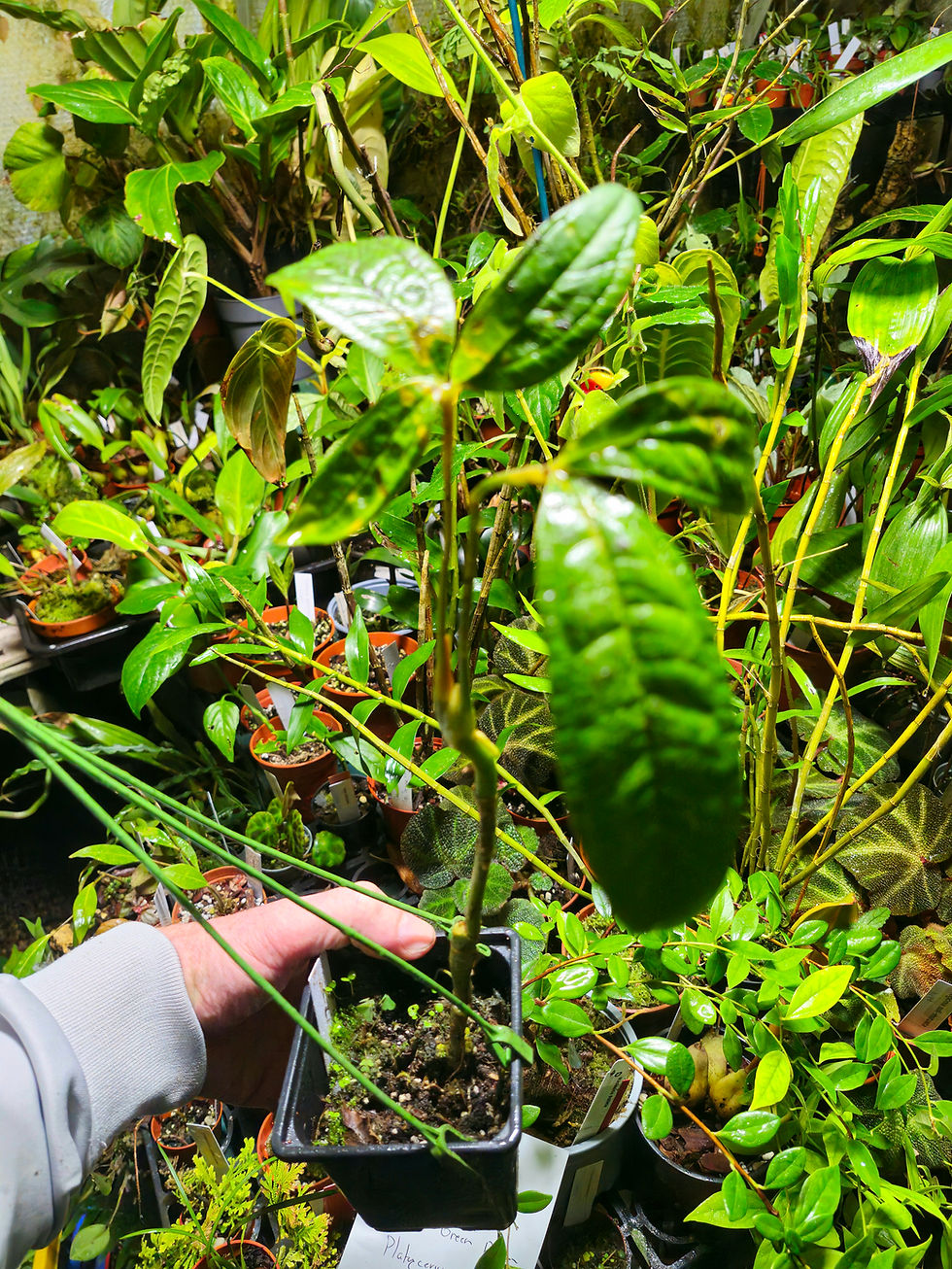
​Unlike the classic heart-shaped leaves associated with the genus, this species is prized by rare houseplant and terrarium collectors for its radically different, deeply lobed foliage.
​Habit: It is a climbing, epiphytic aroid with slender, relatively delicate stems and a climbing or scrambling growth habit.
​Foliage: The specific epithet arisaemoides references its striking similarity to the genus Arisaema. The leaves are deeply pedately lobed, typically divided into three highly elongated, narrow, and sweeping leaflets. The dark green foliage creates a delicate, palm-like, or almost fern-like architectural presence.
​Flowers: The inflorescence emerges from the leaf axils. It features a slender, greenish to purplish, lanceolate spathe and a distinctive dark purple to brownish spadix.
​Roots: It produces vigorous, thick aerial roots designed to grip mossy bark and absorb ambient moisture from the cloud forest air.
​🔬 Taxonomy and Ethnobotany
​Taxonomy
​According to Kew Plants of the World Online (POWO), the accepted scientific name for this species is Anthurium arisaemoides Madison. It was formally described in 1978. It belongs to the Section Dactylophyllium, a group of Anthuriums noted for their deeply divided or palmately lobed leaf structures.
​Ethnobotany
​There are no major ethnobotanical uses recorded for this species. In the UK and globally, it is strictly cultivated as a highly desirable, specialist ornamental plant, coveted by rare aroid collectors who want to move beyond standard tropical houseplant offerings.
​💧 Cultivation and Care
​Because of its high-altitude origins, this rare aroid prefers much cooler conditions than the lowland species frequently sold in the mainstream houseplant trade.
​Light: Requires bright, filtered indirect light. Direct, harsh sunlight will quickly scorch the delicate, thin-textured leaflets.
​Substrate & Soil: Demands a highly aerated, chunky "aroid mix" that drains instantly while holding localized moisture. A premium blend of coarse orchid bark, pumice, horticultural charcoal, and premium sphagnum moss is ideal. It also performs brilliantly when allowed to climb a moist sphagnum moss pole.
​Temperature: It is a cool to intermediate grower, making it well-suited to average UK home temperatures, provided it is protected from central heating drafts.
​Daytime Range: 18–24°C (64–75°F).
​Nighttime Range: 12–16°C (53–61°F). It appreciates a distinct nighttime temperature drop to thrive long-term.
​Watering & Humidity: Requires high ambient humidity (ideally 70%+) to prevent the delicate leaf tips from crisping. Keep the substrate evenly moist but never waterlogged. Allow the top inch of the chunky mix to dry out slightly before watering again.
​✨ Unique Features
​Anthurium arisaemoides features highly unusual, tri-lobed foliage resembling an Arisaema. A rare, cool-growing epiphytic aroid highly sought after by UK botanical collectors.
​🏷️ Specifications
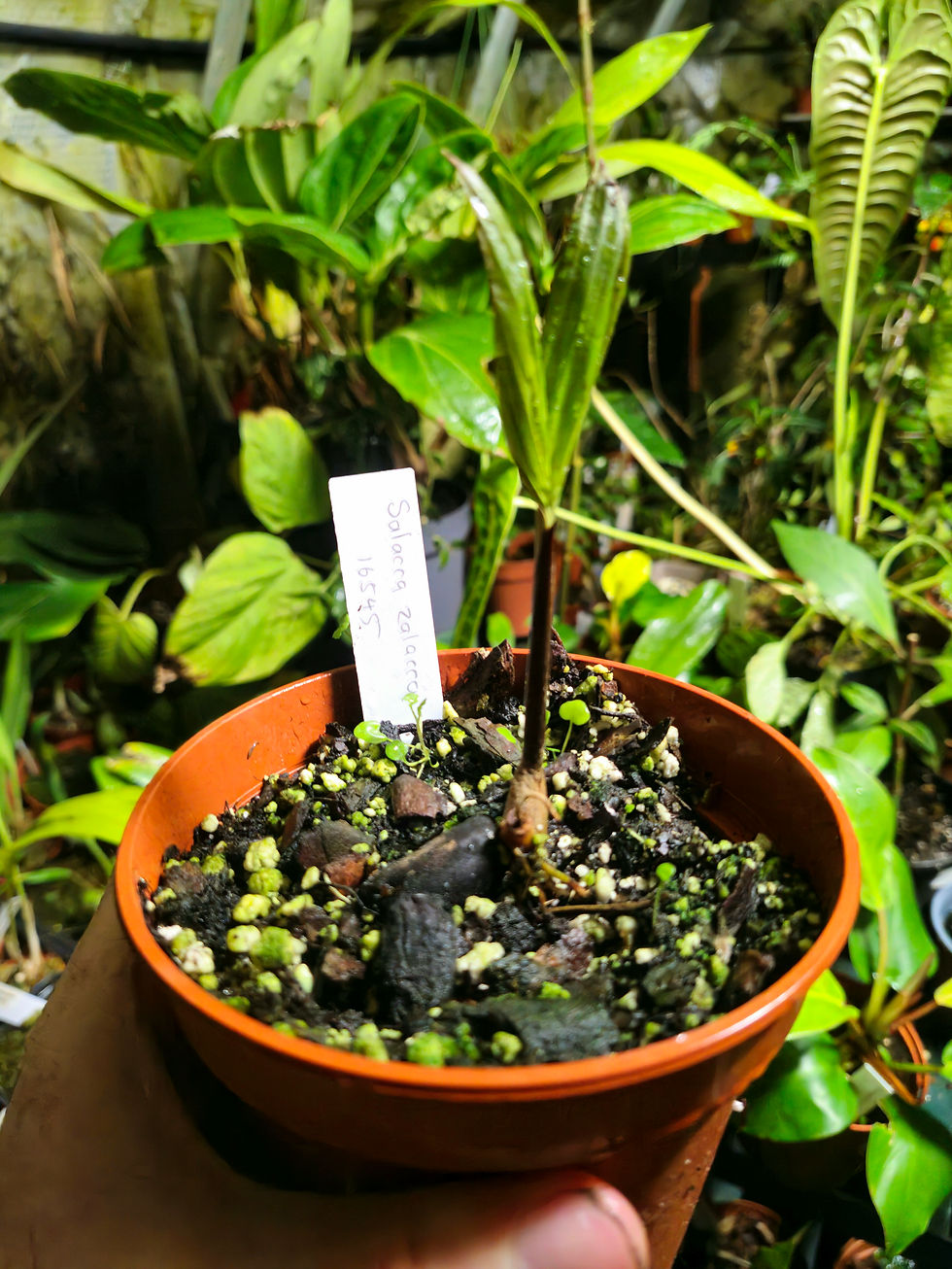
​Plant Size: young plants are 15-20 cm tall.
Plant Family: Araceae
Plant Passport: A Anthurium arisaemoides B 140084 C use the number written on the plant label D GB
top of page
ÂŁ50.00Price
No Reviews YetShare your thoughts.
Be the first to leave a review.
Related Products
bottom of page