🇮🇳 Habitat and Ecology
Dendrobium infundibulum (the Small-Funnel Lipped Dendrobium) is a medium-sized, epiphytic or lithophytic orchid native to Southeast Asia. Its range spans the Eastern Himalayas (Assam), Nepal, Bhutan, Myanmar, Thailand, Laos, Vietnam, and Southern China (Yunnan). It thrives in wet tropical and subtropical montane forests, typically at high elevations ranging from 1,000 to 2,300 metres. This species grows on deciduous trees or mossy rocks, adapted to a cool-intermediate climate with high humidity and a distinct, cooler, drier winter period.
🌸 Description and Distinguishing Features
This orchid is a sympodial perennial belonging to the Section Formosae (Nigrohirsutae), distinguished by the black hairs on its stems.
Pseudobulbs & Foliage: It produces slender, cylindrical to fusiform (spindle-shaped) canes (up to 50 cm long). A defining feature is the covering of fine black hairs on the leaf sheaths and young canes. The leaves are persistent, ovate-lanceolate, and leathery.
Flowers: The spectacular flowers are borne in small clusters of 2 to 5 blooms from the upper nodes of the canes, typically in spring and early summer. The blooms are large (6-10 cm wide), showy, and snow-white.
Aesthetics: The species name infundibulum (funnel) refers to the lip (labellum), which has a distinct funnel-shaped throat. The throat is marked with a vibrant golden-yellow or orange-yellow blotch, contrasting with the crystalline white petals. The flowers have a paper-like or crepe texture.
Ethnobotany: In traditional medicine, extracts from D. infundibulum have been studied for their chemical constituents, including dihydrophenanthrenes, and are used in Traditional Chinese Medicine (TCM) as part of the herb Shi Hu, believed to treat stomach, kidney, and lung disorders.
Differentiation:
Versus D. formosum: D. formosum is a larger, more robust plant found at lower elevations. D. infundibulum has a more slender habit and narrower leaves.
Versus D. jamesianum: Often confused or treated as a synonym, D. jamesianum is horticulturally distinct by having a cinnabar-red or deep red throat, whereas D. infundibulum typically has a yellow or orange throat.
Versus D. wattii: D. wattii has smaller flowers and narrower petals compared to the broad, spreading segments of D. infundibulum.
💧 Cultivation and Care
Dendrobium infundibulum is a cool-to-intermediate growing orchid that requires a cool winter rest to bloom profusely.
Light: Requires bright, filtered light (25,000-35,000 lux). Strong light is beneficial, but protect from direct midday sun to prevent scorching.
Substrate: Best grown in a well-draining pot with a mix of sphagnum moss and perlite or medium-grade bark to retain some moisture while allowing airflow. Can also be mounted if humidity is high.
Watering: Water abundantly during the active growing season (spring/summer), keeping the medium moist. Reduce watering significantly in winter (late autumn to early spring) to induce flowering, misting only to prevent the canes from shriveling.
Temperature:
Optimal Daytime Temperature: 21-27 C (70-81 F).
Optimal Nighttime Temperature: A cool drop is essential, ideally 5-15 C (41-59 F) in winter.
Humidity: High humidity (60-80%) is preferred year-round.
✨ Unique Features
This orchid is a collector's classic, prized for its pristine white, large, funnel-shaped flowers with a glowing orange throat. The contrast of the delicate, paper-white blooms against the black-haired (nigrohirsute) canes creates a unique textural display. Its status as a high-elevation cool grower makes it a rewarding challenge for those who can provide the necessary cool winter rest.
🏷️ Specifications
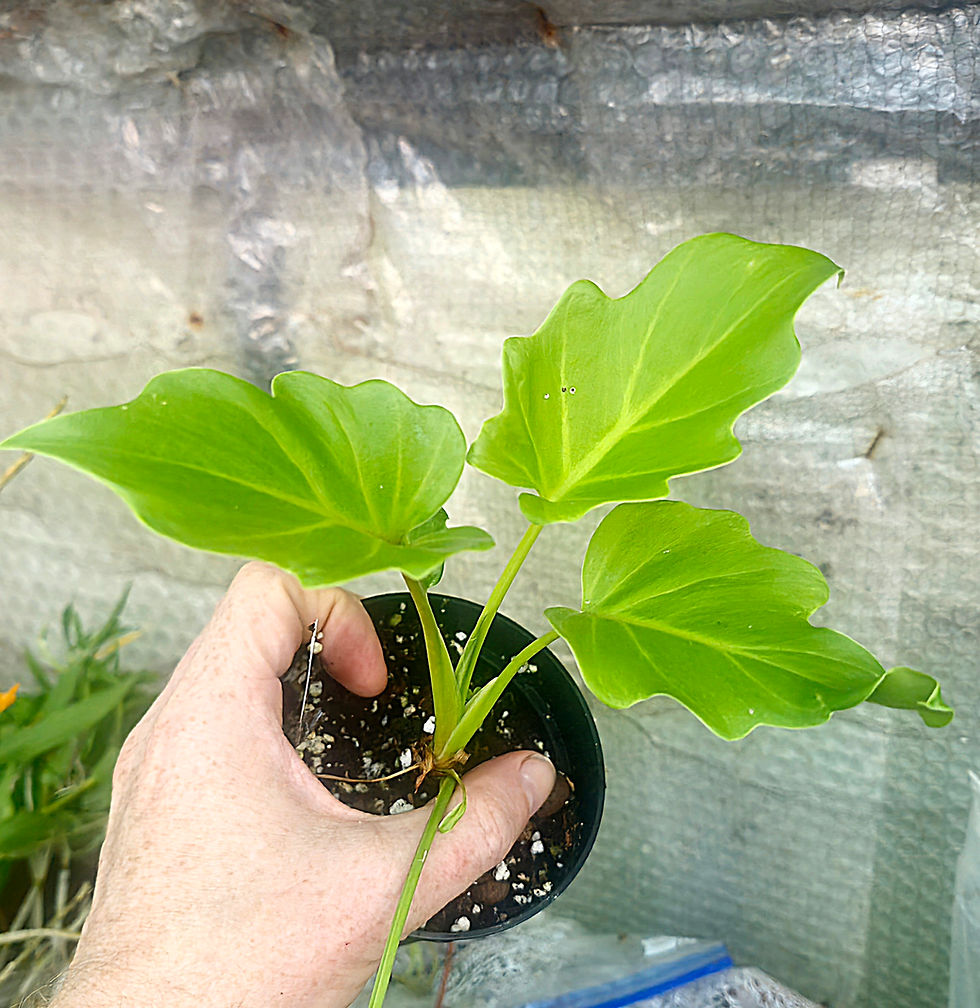
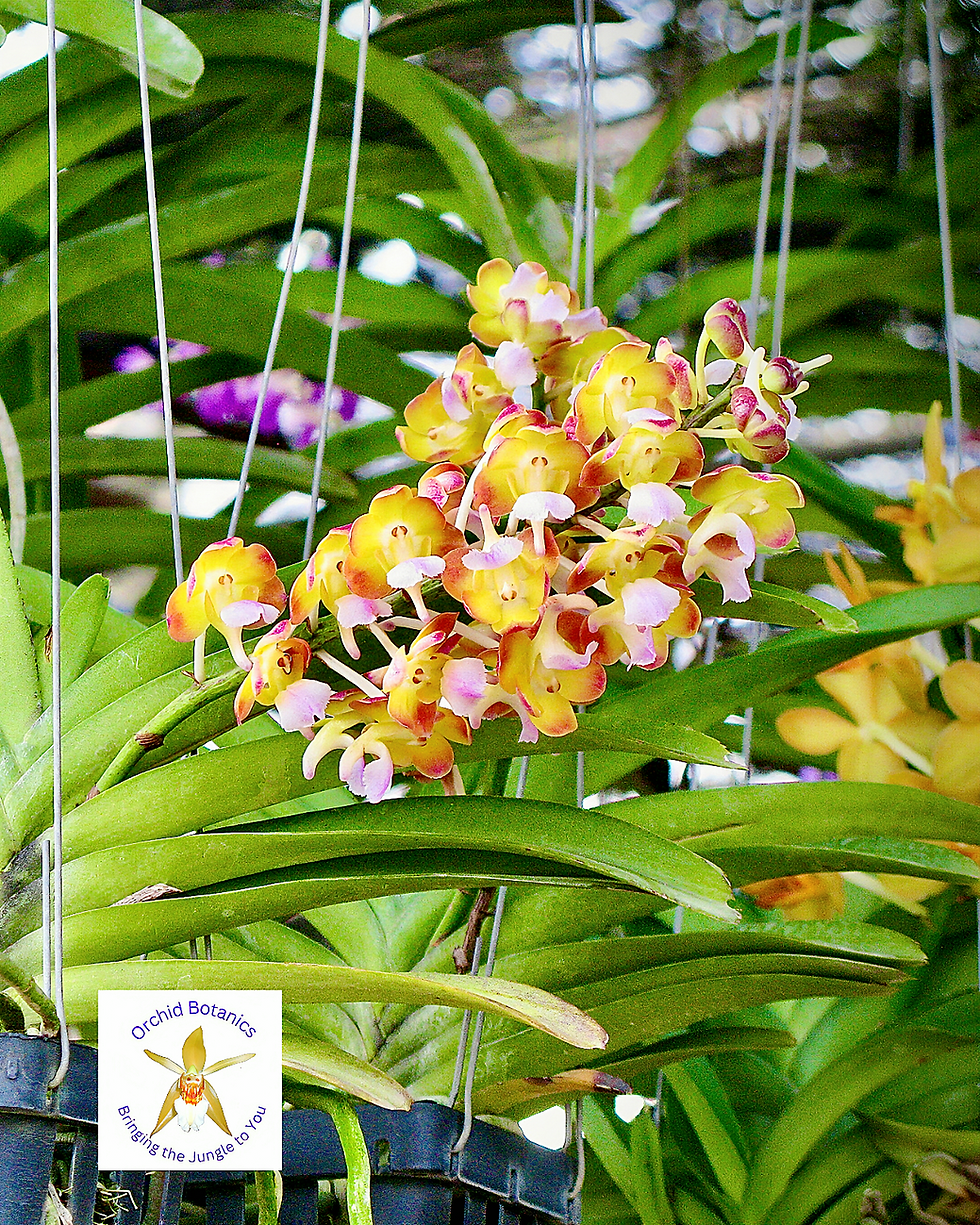
Plant Size: As per the second picture
Plant Family: Orchidaceae
Plant Passport: A Dendrobium infundibulum B 140084 C [buyer to use number of the plant label] D GB