🌏 Habitat and Ecology
Ceratostema agettiorum is a newly described, ultra-rare epiphytic or terrestrial shrub endemic to the southeastern Andean foothills of Ecuador. Specifically discovered in the highly biodiverse Morona-Santiago province, it is a strict denizen of evergreen montane and lower montane cloud forests. Thriving in the wet tropical biome, it typically grows anchored in the mossy canopy or in rich, humic soils at intermediate to high elevations, where it is bathed in constant cloud mist and heavy equatorial rainfall.
🌿 Description and Distinguishing Features
This newly discovered species is prized by advanced collectors for its heavily veined foliage and its spectacular, bract-covered tubular flowers.
Habit: It is an erect to sprawling, woody evergreen shrub that can grow terrestrially or as a robust epiphyte.
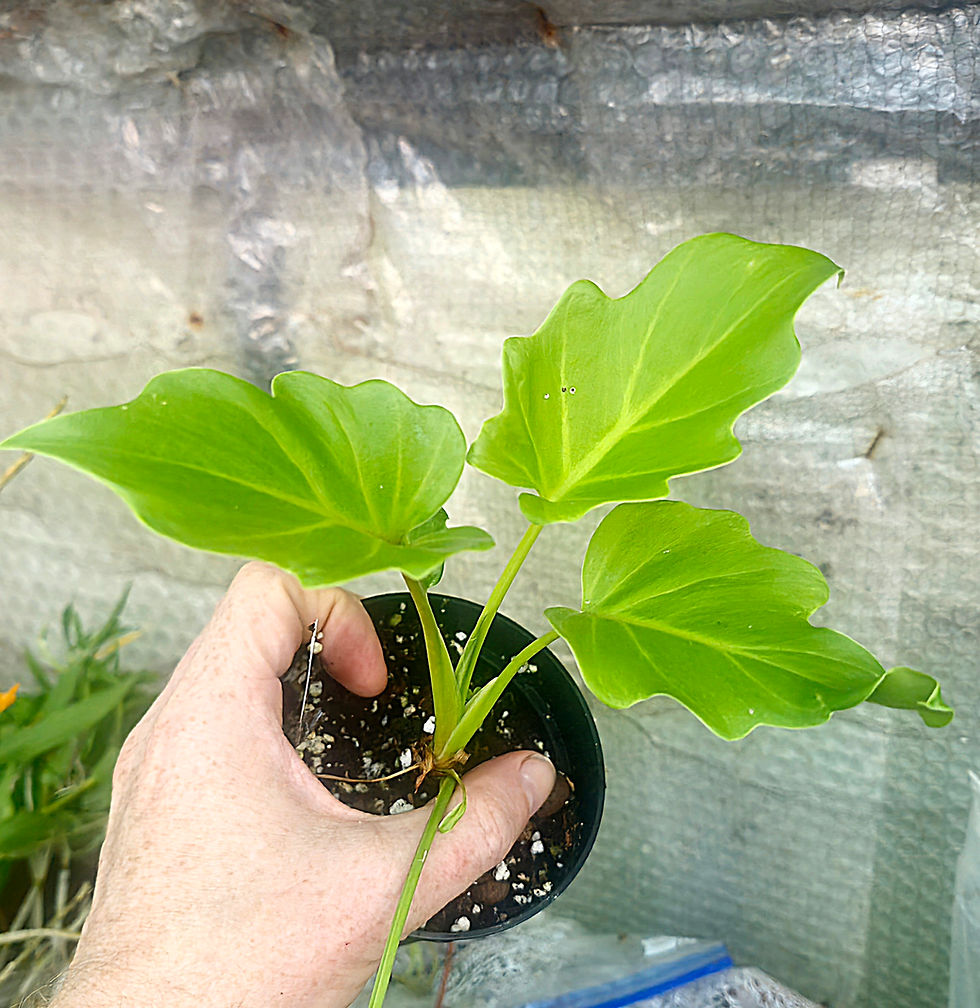
Foliage: The petiolate, leathery (coriaceous) leaves are a highly distinguishing vegetative feature. Unlike closely related species, the foliage of C. agettiorum is strongly 7 to 11-plinerved, displaying multiple prominent veins that run longitudinally across the leaf blade.
Flowers: It produces stunning, large, tubular flowers specifically adapted for hummingbird pollination. A defining characteristic of this species is its massive, elliptic-caudate floral bracts that dramatically cover much of the corolla during anthesis, with bracteoles reaching all the way to the floral throat. The corolla itself narrows slightly toward the apex.
🔬 Taxonomy and Ethnobotany
Taxonomy
According to Kew Plants of the World Online (POWO), the accepted scientific name for this species is Ceratostema agettiorum M.M.Jiménez & H.Garzón. Belonging to the heath family (Ericaceae) within the tribe Vaccinieae, it was only recently introduced to science, formally described and published in 2024 following botanical expeditions in the Cordillera Real. Morphologically, it shares close affinities with Ceratostema megabracteatum but is definitively separated by its heavily plinerved leaves and distinctively shorter floral bracts.
Ethnobotany
There are no recorded traditional medicinal uses for this newly documented species. It is strictly cultivated globally as an ultra-premium ornamental, highly coveted by rare houseplant and specialist epiphyte collectors in the UK.
💧 Cultivation and Care
As a cloud forest endemic, this neotropical "blueberry" relative requires strict attention to root aeration, water quality, and cooling nighttime temperatures to thrive in cultivation.
Light: Requires bright, filtered indirect light to partial shade. Direct, harsh midday sun will quickly overheat the plant and scorch the leathery foliage.
Substrate & Soil: Demands an exceptionally aerated, well-draining, and acidic mix. A premium epiphytic blend of medium orchid bark, coarse perlite or pumice, and high-quality New Zealand sphagnum moss is absolutely essential. It performs beautifully in a slatted wooden basket or a highly ventilated pot.
Temperature: It is a strict cool-to-intermediate montane grower. Prolonged exposure to high summer heat without nighttime relief will cause rapid decline.
Daytime Range: 18–25°C (64–77°F).
Nighttime Range: 10–16°C (50–61°F). A distinct nighttime temperature drop is mandatory to prevent heat stress and trigger blooming.
Watering & Humidity: Requires excellent ambient humidity (70% to 85%+) and constant air movement. Keep the acidic potting medium evenly and consistently moist using pure rainwater or reverse osmosis (RO) water to prevent alkaline mineral salt buildup. Never allow the root zone to dry out completely.
✨ Unique Features
Ceratostema agettiorum is a newly described, ultra-rare Ecuadorian shrub featuring strongly veined leaves and spectacular tubular flowers enveloped by massive floral bracts.
🏷️ Specifications
Plant Size: As pictured. This is the plant on offer
Plant Family: Ericaceae
Plant Passport: A Ceratostema agettiorum B 140084 C use the number written on the plant label D GB