🌏 Habitat and Ecology
Anthurium species 'El Pangui' is an exceptionally rare, currently undescribed aroid originating from the highly biodiverse wet tropical biomes of southeastern Ecuador. Specifically, this locality-specific ecotype was discovered in the El Pangui canton within the Zamora-Chinchipe province, an area heavily influenced by the unique geology of the Cordillera del Cóndor. It is a denizen of humid, premontane cloud forests, where it thrives in the deeply shaded, consistently moist understory, growing either as a low-level epiphyte on mossy trunks or terrestrially in rich forest detritus at elevations of roughly 800 to 1200 metres.
🌿 Description and Distinguishing Features
This is a "holy grail" species for specialist aroid collectors, prized for its breathtaking, dark velvety foliage and striking, contrasting venation.
Habit: It is a moderate-sized, climbing epiphytic/hemiepiphytic aroid. It possesses a relatively thick stem and produces robust aerial roots to anchor itself as it climbs toward the canopy.
Foliage: The plant is cultivated entirely for its spectacular leaves. The foliage is elongated, narrowly cordate (heart-shaped) to lanceolate, and features an intensely velvety (velour-like) texture. The leaf blades are dark, matte green to almost blackish-green in low light, highlighted by brilliant, highly contrasting silvery-white primary and secondary veins.
Flowers: Like all anthuriums, it produces a standard spathe and spadix inflorescence. The blooms are generally slender, greenish-purple, and relatively inconspicuous compared to the monumental beauty of the foliage.
🔬 Taxonomy and Ethnobotany
Taxonomy
Because this is an actively researched, undescribed species, it does not currently possess an officially accepted formal scientific name on Kew Plants of the World Online (POWO). In the global botanical and horticultural community, it is traded under the provisional locality identifier Anthurium sp. 'El Pangui' (or occasionally Anthurium sp. nov. El Pangui). Based on its morphological characteristics—specifically its velvety leaves and prominent venation—it belongs to the highly coveted Section Cardiolonchium, placing it in close relation to famous species like Anthurium warocqueanum and Anthurium marmoratum.
Ethnobotany
There are no recorded traditional uses for this specific, newly circulated plant. It is strictly cultivated as an ultra-premium ornamental, heavily sought after by rare houseplant and indoor jungle enthusiasts in the UK and worldwide.
💧 Cultivation and Care
As a premium velvet Anthurium, this species demands a highly controlled environment with excellent humidity, consistent watering, and massive root aeration to prevent fungal issues.
Light: Requires bright, filtered indirect light. Direct sunlight is highly detrimental and will rapidly scorch and bleach the dark, velvety foliage.
Substrate & Soil: Demands a highly aerated, fast-draining "chunky" aroid mix. A premium blend of large-grade orchid bark, coarse perlite or pumice, horticultural charcoal, and a handful of high-quality sphagnum moss is absolutely essential. Providing a moist sphagnum moss pole for the aerial roots to climb will allow the leaves to size up significantly.
Temperature: It is an intermediate to warm grower, perfectly suited to premium indoor display cabinets or warm grow tents.
Daytime Range: 21–26°C (70–79°F).
Nighttime Range: 16–19°C (61–66°F). Protect from any cold drafts or temperatures dropping below 15°C (59°F).
Watering & Humidity: High ambient humidity (ideally 75% to 90%) is critical to keep the velvety leaves from crisping at the edges. Water thoroughly when the top inch of the chunky substrate feels slightly dry, ensuring the root zone is evenly moist but never allowed to sit in stagnant water.
✨ Unique Features
Anthurium sp. 'El Pangui' features deeply velvety, dark green foliage with breathtaking silvery-white venation. As an undescribed, premium Ecuadorian rarity, it makes an ultimate centerpiece for any indoor jungle, firmly establishing Orchid Botanics as the leading destination for specialist aroid collectors in the UK.
🏷️ Specifications
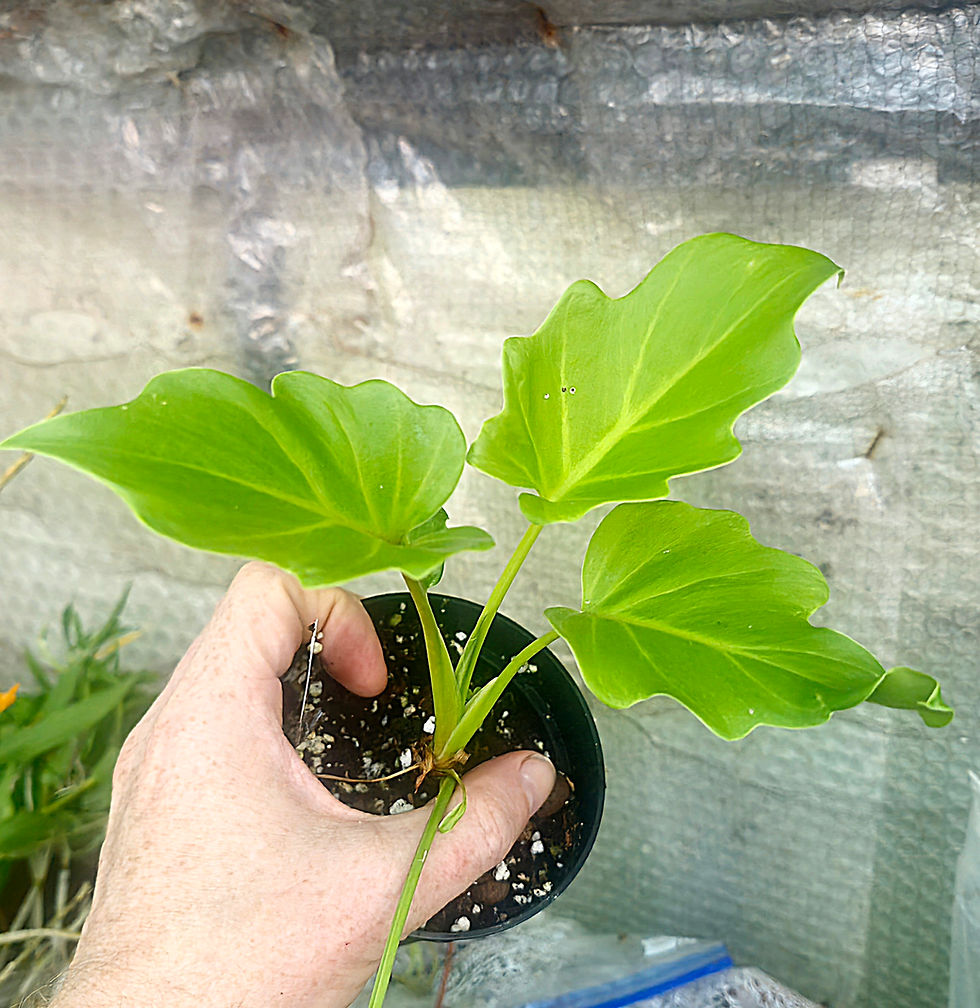
Plant Size: As seen in the picture
Plant Family: Araceae
Plant Passport: A Anthurium species ' El Pangui' B 140084 C use the number written on the plant label D GB