🇵🇪 Habitat and Ecology
Peperomia cotyledon is a rare, high-altitude geophytic succulent native to the Andes Mountains of Peru (specifically the Cajamarca region) and Ecuador. It inhabits cool, semi-arid, rocky slopes at elevations typically between 2,500 and 3,000 metres. Unlike the tropical rainforest Peperomias common in trade, this species grows as a lithophyte (rock dweller) or in gritty, mineral-rich soils in crevices where it endures strong UV light, cool temperatures, and seasonal dry periods.
🌿 Description and Distinguishing Features
This plant is a miniature, tuberous perennial that looks vastly different from the common Radiator Plant (Peperomia obtusifolia).
Growth Habit: It grows from a shallow underground corm or tuber, which allows it to survive periods of drought. It is a stemless or short-stemmed geophyte that forms a compact rosette or small clump, rarely exceeding 5–10 cm in height.
Foliage: The leaves are the defining feature. They are thick, succulent, and spoon-shaped to orbicular (round). The leaf surface is typically a matte grey-green or glaucous green, often with a slightly flattened top surface that may act as an "epidermal window" (fenestration) to allow light to penetrate the leaf interior for photosynthesis.
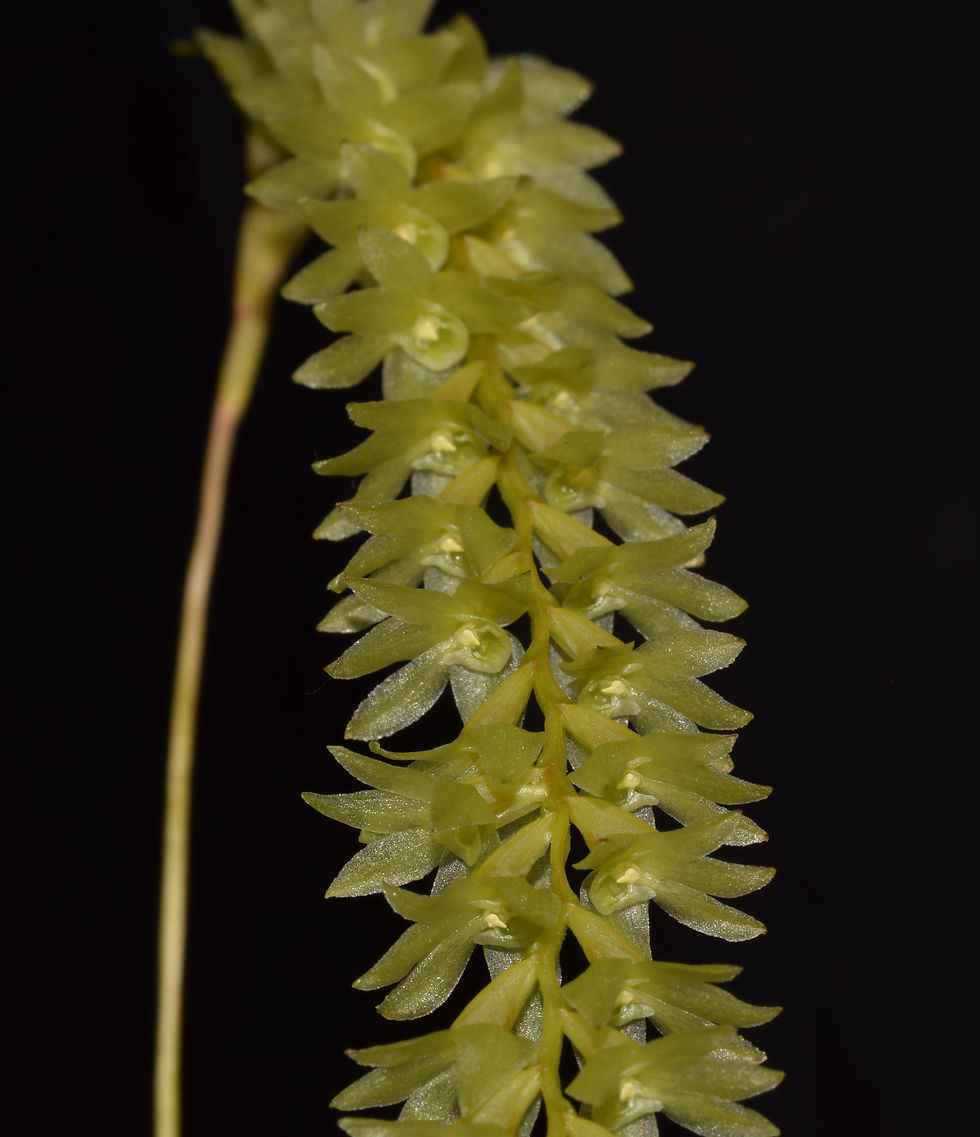
Flowers: Like all Peperomias, it produces rat-tail inflorescences (spikes) covered in tiny, insignificant greenish-yellow flowers. The spikes can be quite long relative to the tiny plant.
Ethnobotany: Peperomia cotyledon
Cultural Significance: Due to its small size, rarity, and high-altitude habitat, there are no widely recorded specific traditional uses for Peperomia cotyledon itself in major ethnobotanical texts.
Genus Context: In the broader Andean region, other Peperomia species (often called Congona) are sometimes used topically for their anti-inflammatory properties or as charms, but P. cotyledon is primarily valued today as a botanical curiosity and collector's item due to its convergent evolution with African succulents.
Taxonomy Note: In scientific literature, Peperomia cotyledon is sometimes treated as a synonym of Peperomia hartwegiana, but in the succulent hobbyist trade, it is maintained as a distinct collector's form noted for its specific window-leaf morphology.
💧 Cultivation and Care
Peperomia cotyledon is a "collector's succulent" and requires care similar to South African mesembs (like Lithops or Fenestraria) rather than tropical houseplants. Rot is the primary killer.
Light: Requires very bright light. Indoors, it needs a south-facing window or strong LED grow lights. However, because it is an alpine plant, it prefers cool bright light rather than baking hot midday sun, which can overheat the tuber.
Substrate: Needs a highly gritty, mineral-based mix. Standard potting soil is too rich and water-retentive. Use a mix of 80% inorganic material (pumice, lava rock, akadama, or coarse sand) and 20% organic matter (coco coir or succulent soil).
Watering:
Growth Season: Water sparingly when the leaves feel slightly soft or wrinkled. Wet the soil but ensure it dries out rapidly.
Dormancy: Be cautious in winter or extreme heat. If the plant sheds leaves or stops growing, stop watering almost entirely to prevent tuber rot.
Temperature:
Optimal: Cool to temperate conditions 10-25 C (50-77 F).
It dislikes extreme heat (>30 C) combined with humidity, which causes fungal issues. It can tolerate cooler nights (down to 5 C) if kept dry.
Humidity: Low humidity is preferred. High humidity can lead to powdery mildew or stem rot.
✨ Unique Features
This plant is prized for its convergent evolution with African succulents. Despite being a Piperaceae (pepper family) relative from the Andes, it has evolved a window-leaf strategy similar to Fenestraria (Baby Toes) from Namibia to survive in similar high-light, low-water environments. It is a fantastic example of an Andean window-plant.
🏷️ Specifications
Plant Size: propagations from our stock plant and produced in the UK
Plant Family: Piperaceae
Plant Passport: A Peperomia cotyledon B 140084 C [buyer to use number of the plant label] D GB