🌏 Habitat and Ecology
Justicia stricta is a specialized tropical herbaceous perennial native to the wet tropical understories and riparian zones of West-Central Africa, with heavily documented populations in regions such as Gabon, Cameroon, and the Republic of the Congo. It thrives primarily in lowland rain forests and swamp forest margins. It is perfectly adapted to deep forest shade, high year-round humidity, and soils rich in decaying organic matter, often growing near forest streams or damp depressions.
🌿 Description and Distinguishing Features
This elegant, structural member of the Acanthaceae family is highly appreciated by specialized vivarium builders and tropical foliage collectors for its strict upright architecture and delicate blooms.
Habit: True to its specific epithet, stricta indicates its highly rigid, erect, and straight growth habit. It grows as a narrow, upright herb that typically stands between 30 and 60 cm tall.
Foliage: The leaves are oppositely arranged along the square-sided (quadrangular) green stems. They are narrowly lanceolate to oblong-elliptic, tapering to a sharp point at the tip. The leaf margins are entire to faintly wavy, showing off a clean, deep olive-green color with clear, pale primary venation.
Flowers: The inflorescences emerge as terminal or axillary spikes. The individual flowers are small, highly detailed, and typical of the genus Justicia, featuring a two-lipped (bilabiate) corolla. The upper lip is narrow and hooded, while the broader lower lip is often three-lobed and can range from pale pinkish-violet to soft purple, detailed with lighter white nectar guides to attract understory pollinators.
🔬 Taxonomy and Ethnobotany
Taxonomy
According to Kew Plants of the World Online (POWO), the accepted scientific name is Justicia stricta Radlk. It is a distinct species within the large, mega-diverse family Acanthaceae. It was first formally described and published by the German botanist Ludwig Adolph Timotheus Radlkofer, standing apart from its creeping relatives due to its distinctly erect, non-vining vegetative growth.
Ethnobotany
While several African species of Justicia have regional histories in traditional folk medicine, there are no widespread, specific ethnobotanical or medicinal uses explicitly recorded for Justicia stricta. It is cultivated entirely as a premium ornamental understory collector's plant, heavily favored by advanced growers who design precisely controlled, bioactive tropical biomes or specialized heated conservatories.
💧 Cultivation and Care
Because it originates from equatorial African rainforest understories, Justicia stricta demands constant atmospheric moisture and protection from cold air to prevent rapid defoliation.
Light: Requires medium to bright, filtered indirect light or deep dappled shade. It is highly sensitive to intense, direct midday sun, which will rapidly bleach the deep green foliage and cause irreversible scorch along the margins.
Substrate & Soil: Thrives in a loose, highly organic, humus-rich potting mix. A premium blend of fine peat moss or coco coir, well-decomposed leaf mold, and a high fraction of coarse perlite ensures a consistently moist environment that drains quickly enough to prevent root rot.
Temperature: It is a warm-natured tropical species that must be protected entirely from cold drafts and winter drops.
Daytime Range: 21–28°C (70–82°F).
Nighttime Range: 17–21°C (63–70°F). Dropping below 15°C (59°F) can induce severe chill stress, leaf drop, or structural collapse.
Watering & Humidity: High atmospheric humidity (70% to 85%+) is necessary to maintain clean, soft leaf textures. Keep the potting substrate evenly and consistently damp year-round. It resents drying out bone-dry at the root zone—if allowed to dry significantly, its soft upright stems will rapidly wilt. Always water using pure rainwater or reverse osmosis (RO) water to avoid the accumulation of chemical salts.
🏷️ Specifications
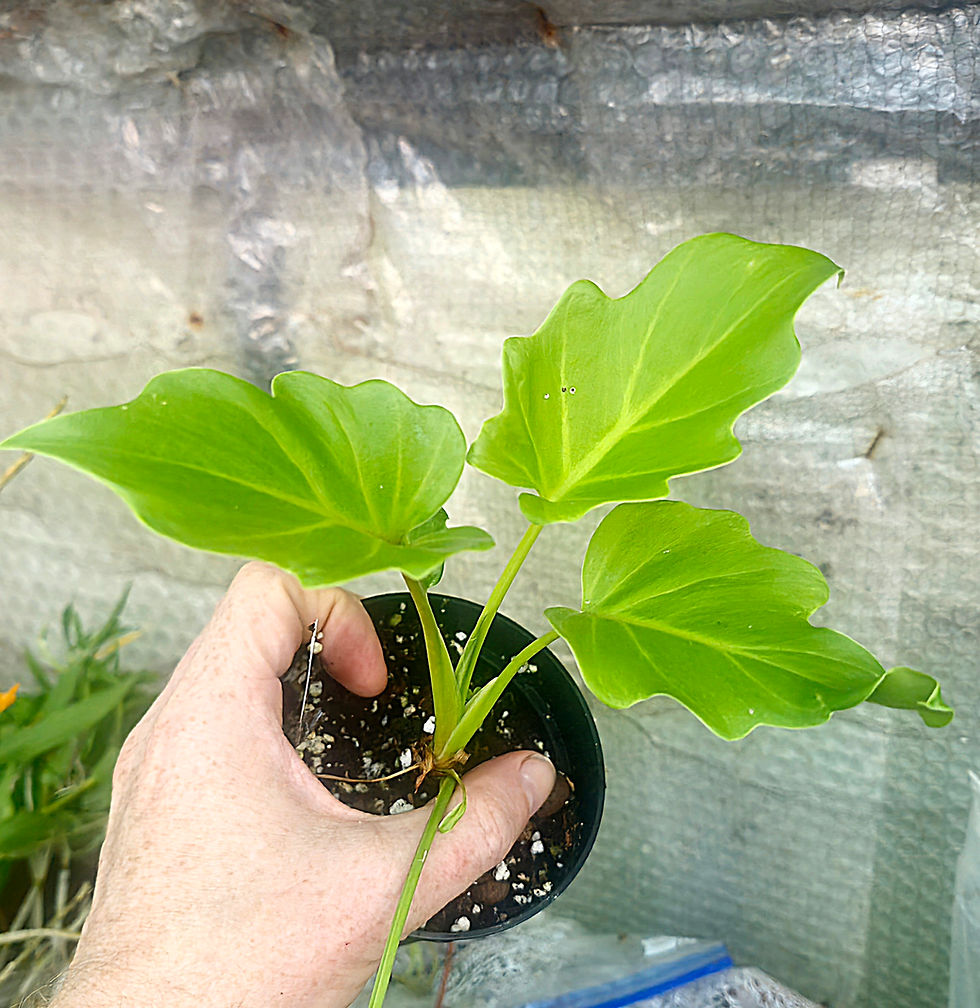
Plant Size: As pictured
Plant Family: Acanthaceae
Plant Passport: A Justicia stricta B 140084 C use the number written on the plant label D GB