🌏 Habitat and Ecology
Zootrophion ximenae (commonly known as Ximena's Zootrophion) is a highly intriguing, miniature epiphytic orchid native to the wet montane cloud forests of Ecuador, with specific wild populations recorded in the Carchi province. It thrives at intermediate-to-cool elevations ranging from 900 to 1,500 metres above sea level. In its native Andean habitat, it grows as an understory epiphyte, sheltered beneath the humid forest canopy where it is constantly bathed in high atmospheric humidity, heavy mist, and gentle air circulation.
🌿 Description and Distinguishing Features
This highly coveted species stands out in the subtribe Pleurothallidinae for its incredibly unusual floral architecture and compact, attractive growth habit.
Habit & Foliage: It is a compact, tufted epiphyte. Each new vegetative growth arises from a short stem enclosed in characteristic, loose, flattened, and somewhat inflated sheaths (lepanthiform sheaths). Every stem is topped by a single, erect, thick, and leathery elliptic leaf.
The "Trap" Flowers: Members of the genus Zootrophion are famous for producing unusual "box" or "trap" flowers. The sepals of Z. ximenae are fused together at both their bases and their tips, forming a hollow, inflated, box-like structure that resembles an animal's head (the generic name Zootrophion literally translates to "menagerie" or "zoo").
Pollination Window: The flower does not open widely like a standard orchid; instead, it features small, slit-like windows on the sides of the fused sepals. This creates a temporary "trap" mechanism for tiny pollinating carrion flies. The blooms are typically rich, dark, and highly detailed, showing excellent longevity on the plant.
🔬 Taxonomy and Ethnobotany
Taxonomy
According to Kew Plants of the World Online (POWO), the accepted scientific name for this species is Zootrophion ximenae (Luer & Hirtz) Pfahl. It belongs to the Orchidaceae family, subfamily Epidendroideae, and subtribe Pleurothallidinae. The specific epithet ximenae was given in honor of Ximena Hirtz, the wife of Alexander Hirtz, who co-collected the type specimen in Ecuador.
Ethnobotany
There are no recorded traditional medicinal or ethnobotanical uses for this species. It is grown entirely as an elite, premium botanical oddity.
💧 Cultivation and Care
Because of its montane understory origins, Zootrophion ximenae thrives in cool-to-intermediate temperatures and high humidity, making it a stellar candidate for intermediate orchid cases, shaded glasshouses, or humid terrariums.
Light: Requires low to moderate, filtered indirect light (roughly 8,000 lux or 500–1,500 footcandles). Avoid direct sunlight entirely, as the foliage will rapidly scorch and drop.
Substrate & Soil: Demands a highly aerated, fast-draining, but constantly damp epiphytic medium. It performs exceptionally well when mounted on cork bark slabs or tree fern plaques with a generous pad of high-quality New Zealand sphagnum moss to cushion the roots. If potted, use a small, net-style pot filled with a fine-grade mix of orchid bark, perlite, and chopped sphagnum.
Temperature: It is a cool-to-intermediate grower that appreciates standard domestic temperatures with a cool drop at night.
Daytime Range: 18–24°C (64–75°F).
Nighttime Range: 11–15°C (52–59°F). Protect the plant from freezing drafts or extreme summer heat waves.
Watering & Humidity: High ambient humidity (70% to 85%+) paired with continuous, gentle air movement is critical to prevent foliar spotting or rot. Keep the potting substrate consistently moist year-round; the fine roots of Zootrophion do not have large water-storing pseudobulbs and will quickly desiccate if allowed to dry out completely. Always use pure rainwater or reverse osmosis (RO) water to prevent chemical leaf burn.
🏷️ Specifications
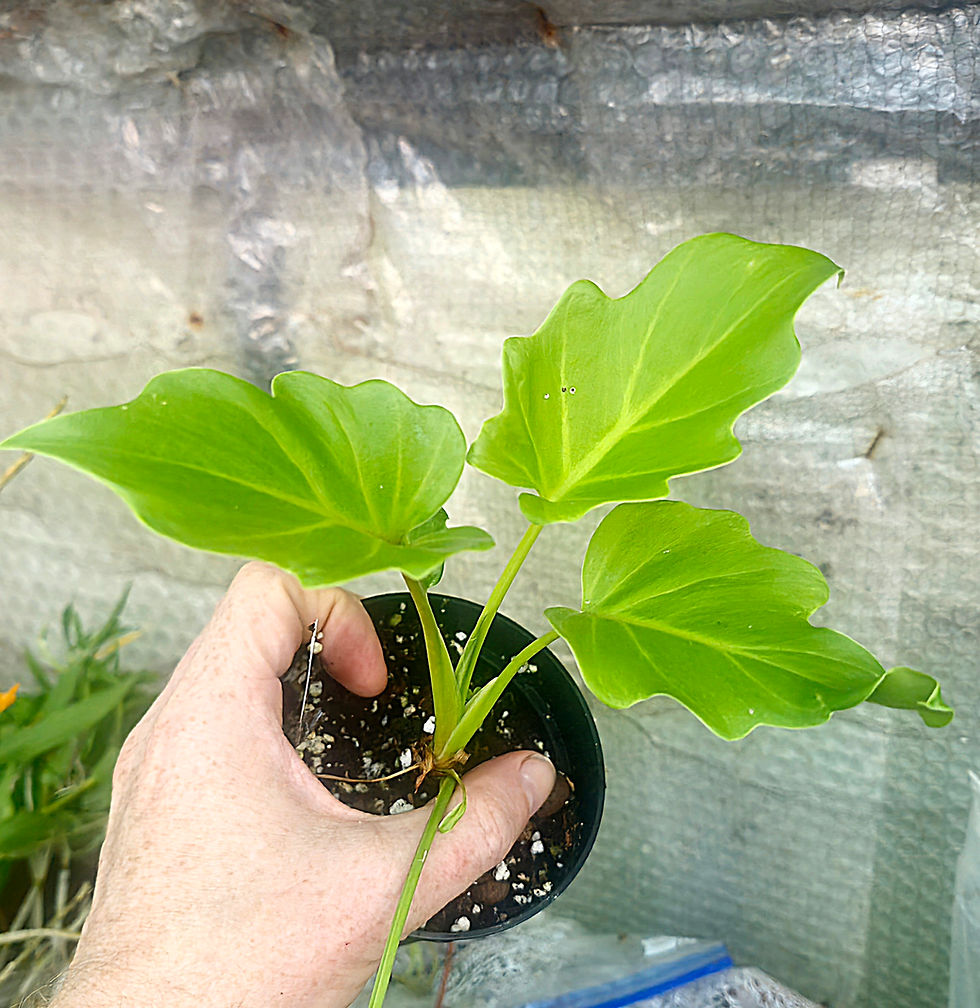
Plant Size: as pictured
Plant Family: Orchidaceae
Plant Passport: A Zootrophion ximenae B 140084 C use the number written on the plant label D GB