🌏 Habitat and Ecology
Dendrobium glomeratum (commonly known as "The Ball Dendrobium") is a striking epiphytic orchid native to the humid montane forests of Sulawesi and the Maluku Islands (the Moluccas or "Spice Islands") of Indonesia. It thrives as a canopy epiphyte at elevations of approximately 1,200 metres. In these old-growth montane forests, it is adapted to intermediate, humid conditions with generous rainfall and constant air circulation throughout the active growing season.
🌿 Description and Distinguishing Features
This small-to-medium species is a crowd-favorite among orchid connoisseurs, celebrated for its electrifying flower color contrast and graceful, cascading growth.
Habit & Canes: It produces slender, semi-erect to pendulous pseudobulbous canes that grow 25 to 50 cm long. Because they naturally cascade as they mature, they are ideal for mounting or growing in hanging baskets.
Foliage: The canes carry many lanceolate, soft-textured leaves with dark spots on the leaf sheaths. This species is deciduous; as the canes mature, they shed their leaves, which is a completely natural precursor to heavy blooming.
Flowers: The inflorescences emerge in tight, spherical, glomerate clusters of 3 to 10 sparkling blooms along the mature, leafless canes.
Coloration: The flowers (roughly 3 cm across) feature a breathtaking, high-contrast palette. The sepals and petals are a rich, intense magenta-pink, while the lip (labellum) is a bright, glowing cinnabar-orange.
🔬 Taxonomy and Ethnobotany
Taxonomy
According to Kew Plants of the World Online (POWO), the accepted scientific name for this species is Dendrobium glomeratum Rolfe. It belongs to the family Orchidaceae, within the highly sought-after Section Pedilonum. It was first formally described in 1894 by the British botanist Robert Allen Rolfe. In the collector trade, it is frequently met under its junior synonym, Dendrobium sulawesiense.
Ethnobotany
There are no traditional medicinal or culinary uses recorded for this species. It is strictly cultivated as a highly desirable, premium ornamental orchid. Its incredible, high-contrast floral display and cooperative growth habit make it a centerpiece of any intermediate orchid collection.
💧 Cultivation and Care
Because it originates from intermediate-altitude Indonesian forests, Dendrobium glomeratum is highly adaptable and performs beautifully under intermediate-to-warm domestic conditions.
Light: Requires medium to bright, filtered indirect light (similar to Phalaenopsis or Cattleya light levels). Protect the foliage from harsh, direct midday sun to prevent bleaching.
Substrate & Soil: Due to its semi-pendulous habit, this species is highly successful when mounted on cork bark or tree fern plaques with a moisture-retaining pad of sphagnum moss. If potted, use a shallow pot or basket filled with a loose, highly aerated, and fast-draining medium such as medium-grade orchid bark and coarse perlite.
Temperature: Thrives in intermediate-to-warm conditions.
Daytime Range: 21–28°C (70–82°F).
Nighttime Range: 15–18°C (59–64°F). A distinct 5–10°C drop at night is highly beneficial to stimulate strong growth and reliable bud induction.
Watering & Humidity: High atmospheric humidity (65% to 85%) is ideal.
Active Growth (Spring–Autumn): Water abundantly, keeping the root system evenly and consistently moist, but never waterlogged.
Winter Rest: During the cooler winter months, once leaves begin to drop, reduce watering frequency. Allow the potting medium to dry out almost completely between light waterings, but do not allow the canes to shrivel severely. Resume regular watering in spring as soon as new shoots and flower spikes emerge.
🏷️ Specifications
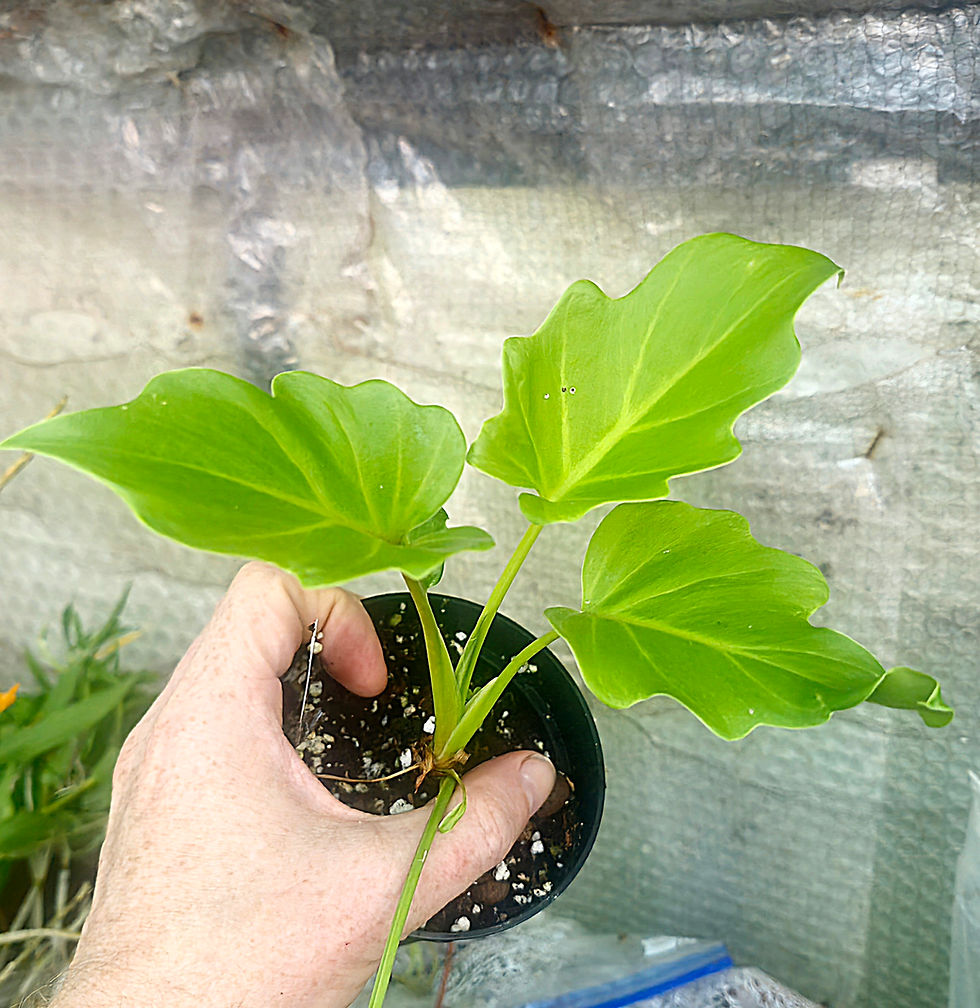
Plant Size: As pictured
Plant Family: Orchidaceae
Plant Passport: A Dendrobium glomeratum B 140084 C use the number written on the plant label D GB