🌏 Habitat and Ecology
Papilionanthe pedunculata is a highly specialized, large-to-giant epiphytic orchid native to the seasonal tropical biomes of Cambodia and Vietnam. It stands as a distinct floristic component of the South Annamese endemism center, an area renowned for its isolated, uplifted plateaus and high mountain systems.
Thriving at elevations between 1200 and 1300 metres, it is also found colonizing dry lowland dipterocarp forests in southern Vietnam. Unlike many of its moisture-loving rainforest relatives, this species possesses distinct xeromorphic adaptations, allowing it to withstand prolonged dry seasons and high heat exposure in open, sun-baked environments.
🌿 Description and Distinguishing Features
This striking, pencil-leaved vandeae ally makes an imposing structural statement, prized by species connoisseurs for its architectural habit and showy blooms.
Habit & Foliage: It features an erect, scrambling, or climbing habit with elongated, robust stems. The leaves are strictly terete (pencil-shaped or tube-like), measuring 5 to 10 cm long, a structural adaptation engineered to minimize water loss under intense sunlight. When not in active flower, the vegetative growth is virtually indistinguishable from its popular relative, Papilionanthe teres.
Flowers: Blooming from spring through summer, it pushes out a robust, elongated inflorescence that can reach up to 15 to 50 cm long. A single peduncle can carry up to 15 widely opening, long-lasting flowers.
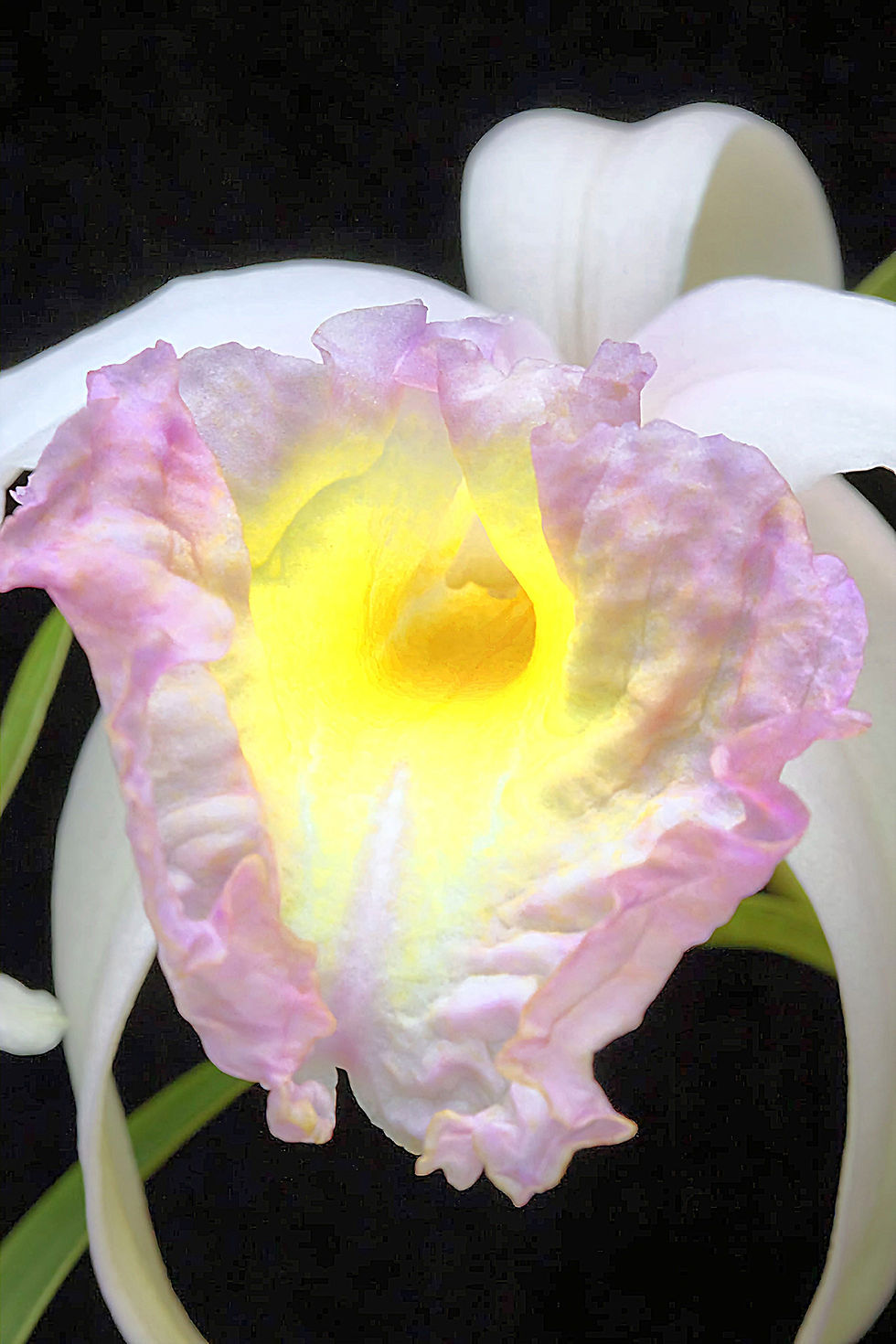
Floral Morphology: The flowers span an impressive 5 to 7 cm across. The dorsal sepal and lateral sepals present a soft pinkish-white to crystalline pink hue. The large, butterfly-like labellum (lip) is predominantly white, featuring an intense golden-yellow throat heavily painted with intricate, dark red dots or speckles.
🔬 Taxonomy and Conservation
Taxonomy
According to Kew Plants of the World Online (POWO), the accepted scientific name for this species is Papilionanthe pedunculata (Kerr) Garay. It belongs to the family Orchidaceae, subfamily Epidendroideae, and tribe Vandeae. It was originally described as Aerides pedunculata by Arthur Francis George Kerr in 1935, before the eminent orchidologist Leslie A. Garay transferred it to Papilionanthe in 1974. Historical literature occasionally notes Vanda masperoae Guillaumin as a heterotypic synonym.
Conservation
Due to localized pressure on wild populations from habitat destruction and over-collection, Papilionanthe pedunculata is strictly protected under CITES Appendix II. International trade is tightly regulated to ensure global specimens originate exclusively from verified, laboratory-propagated sources.
Ethnobotany
There are no recorded traditional medicinal, culinary, or cultural uses for this localized Indochinese endemic. It is cultivated strictly as an elite, premium ornamental subject. Because of its demanding environmental preferences and large, architectural size, it represents a prestigious botanical addition targeted at advanced collectors and specialists who maintain dedicated tropical glasshouses or outdoor growing frames in compatible climates.
💧 Cultivation and Care
Because it is an open-canopy dweller adapted to seasonally dry Indochinese woodlands, Papilionanthe pedunculata requires far higher light levels and sharper wet-to-dry cycles than typical soft-leaved forest orchids.
Light: Demands very bright, medium-to-full direct sunlight. It requires high-intensity lighting (similar to Vanda species) to trigger flowering spikes; if grown in too much shade, the plant will grow leggy and fail to bloom.
Substrate & Mounting: Due to its aggressive, thick aerial root system, it is most successfully grown completely bare-root in open wooden slatted vanda baskets or mounted securely onto rough cork bark or teak branches. If potted, it must be placed in a very coarse, chunky mixture of large charcoal pieces and large-grade orchid bark to ensure the roots dry rapidly after watering.
Temperature: It is an adaptable intermediate-to-warm grower that exhibits great thermal resilience.
Optimal Range: 18–32°C (64–90°F).
Tolerance: It handles temporary heat spikes up to 40°C or winter night drops down to 10°C (50°F) without issue, provided the atmosphere is kept dry during cold snaps.
Watering & Humidity: High ambient humidity (65% to 80%) coupled with strong, constant air movement is essential.
Spring & Summer: During the active growing phase, water heavily and thoroughly 1 to 2 times daily (if grown bare-root), allowing the roots to turn vivid green and then dry out completely within a few hours.
Winter Rest: In late autumn and winter, mimic its native dry season by significantly reducing watering. Provide light mistings or brief waterings only every few days to keep the terete leaves from wrinkling heavily, allowing the plant a distinct dry rest to induce spring flower buds.
🏷️ Specifications
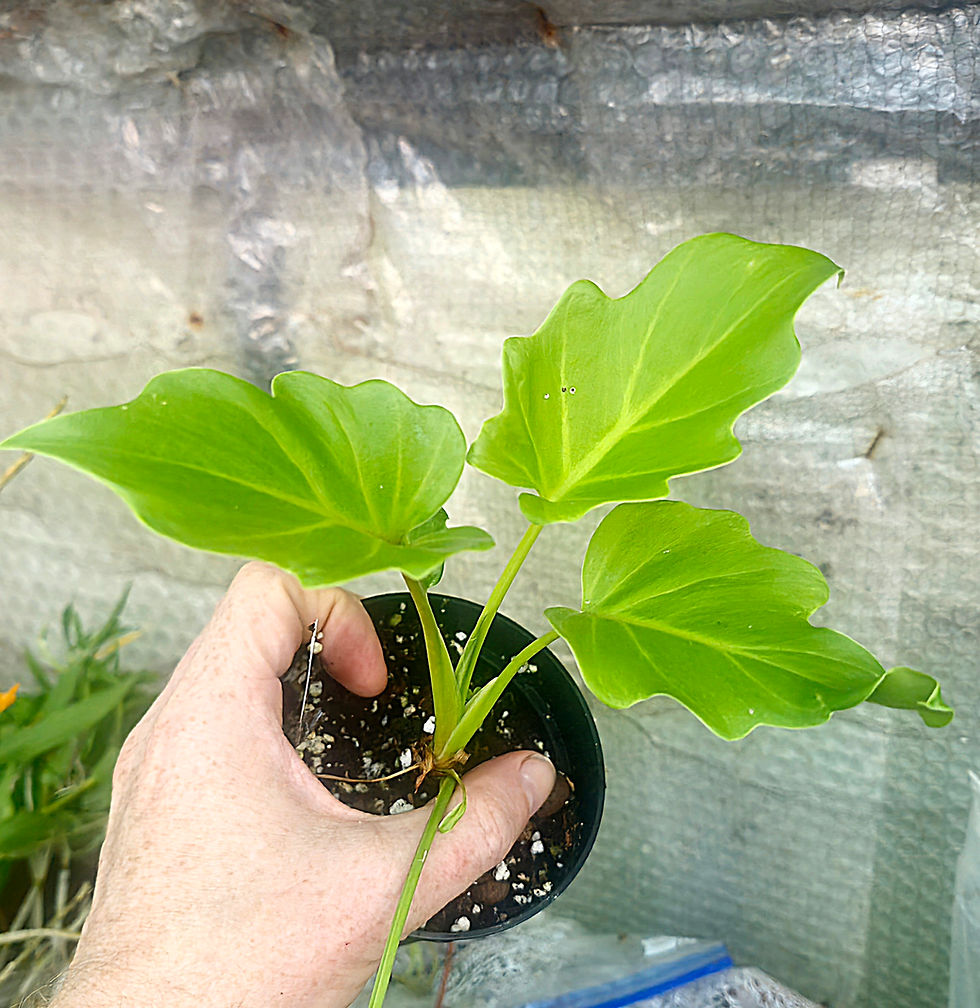
Plant Size: as pictured, with live roots
Plant Family: Orchidaceae
Plant Passport: A Papilionanthe pedunculata B 140084 C use the number written on the plant label D GB